
I’m Not Being Difficult I Just Need The Details
Autism, Asking Questions, and Being Chronically Misunderstood
It’s frustrating to go to great lengths trying to help loved ones understand your autism, how it works, and how it shows up in your life.
Autistics often need details. Let me explain.
I personally do not enjoy making phone calls. Something about it is extremely uncomfortable for me. I don’t really know what to say, even if I know the purpose of the call. I basically need a bit of an outline. Not necessarily a full script, but a general idea of what I’m going to be saying during the call.
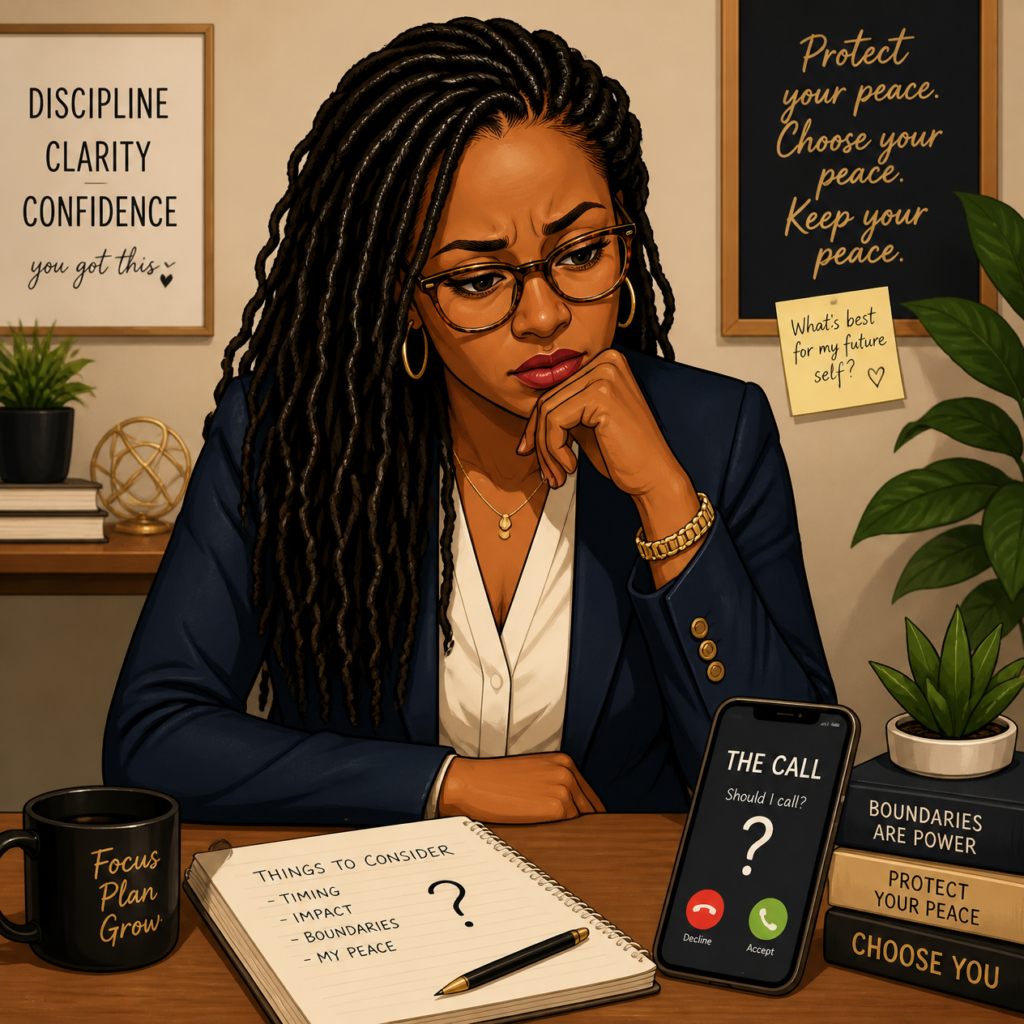
So say someone asks me to make a phone call to inquire about something, whether it’s a reservation, meal availability at a hotel, or information on a place for rent. If I didn’t plan to make that call in advance and you just ask me on the spot, I’m going to be flustered. It’s going to fill me with anxiety and dread, because I don’t like making phone calls unless I’m fully prepared. And even then, I don’t like it.
So I need to ask the person for details. What am I going to be asking? What information am I seeking? And I find that it bothers people. The reactions I get are almost as if they think I’m being a smart ass.
I’m not. I need help. I’m disabled. When people request things of me, they need to remember that my brain doesn’t work the way they might want it to.
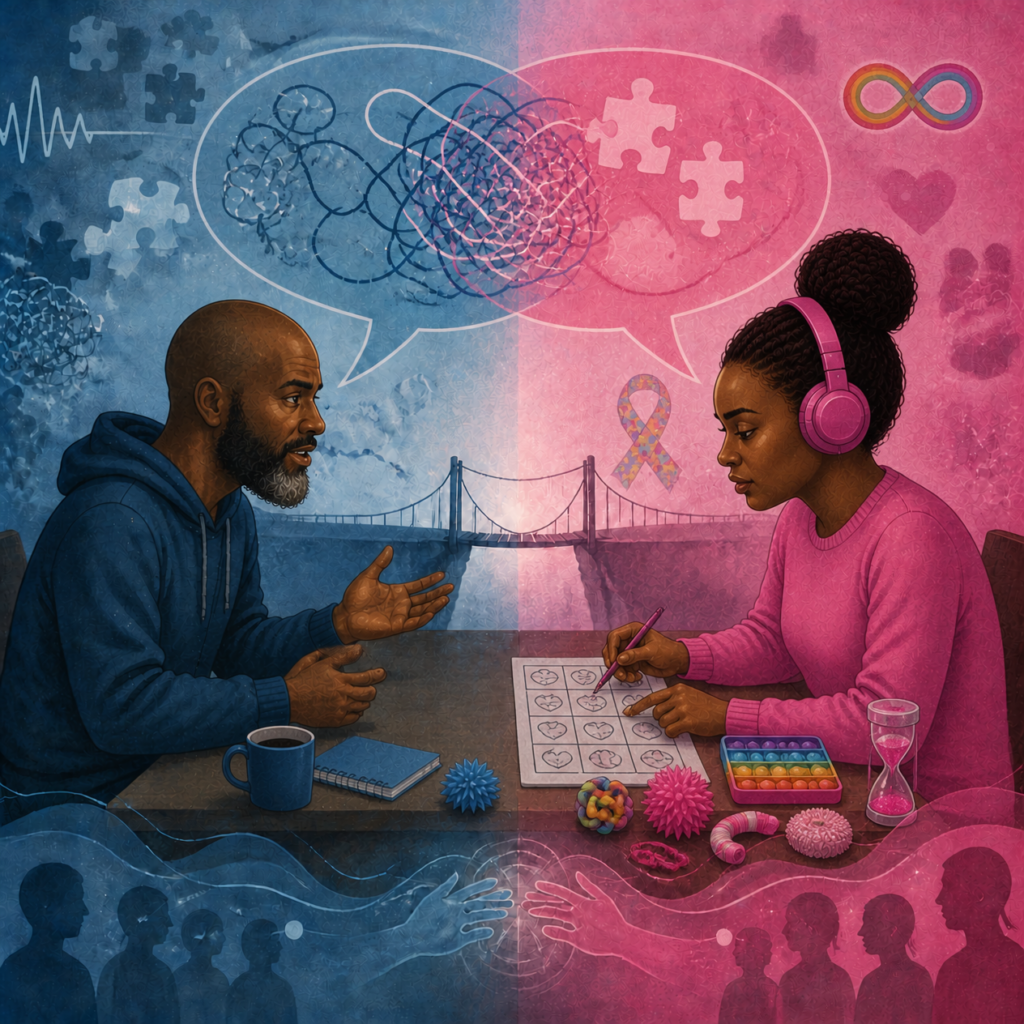
I don’t want to make this blog a place where I complain all the time about how frustrating and difficult life can be as an autistic person dealing with neurotypicals. But if I’m being honest, that’s a large part of the frustration for many neurodivergent people, especially someone who is level one autistic.
People assume that just because you can communicate verbally well enough (and if you’re high masking, forget about it), you can navigate social situations pretty decently. They assume you’re fine to be left to your own devices and to function in the world with no safeguards or help of any kind.
Nothing could be further from the truth.
Sure, as an autistic adult I have a great understanding of people and human nature. But neurotypical people, who tend to be erratic at times and predictable at others, can still be complicated and overwhelming for people like me.
Psychologists refer to my needs as asking for explicit expectations: being told clearly what someone wants instead of being left to guess. I also need the processing time to take in information before I respond. And that outline I mentioned before? Some autism guides call them ‘prompt notes’, a recognized support. A 2021 study titled “Anything but the Phone!” surveyed 245 autistic adults and found that relying on phone calls can create real barriers to access. So this isn’t just me disliking the phone. It’s an accessibility need.
I love helping and feeling useful and don’t mind making a call if needed. I just need plenty of time in advance, that’s all. It just takes me a bit longer to prepare for it.
I did my best to include links to reputable sources in this post, so anyone who relates to this can rest assured that what you feel is valid. Your experience is valid, and there’s science and research that backs it up. Not to mention there’s other people who deal with this too. You’re not alone.
And to those who love and possibly care for someone on the spectrum, I hope this essay brought even a little understanding of how they may process requests like these, and some clarity you can carry with you. So the next time your autistic loved one starts asking you questions, try not to take offense. It’s not an interrogation. We’re just gathering much-needed data for whatever task is at hand, that’s all.
If you found any value in this post, please share it and help me grow!
Sources
- Montgomery, Beverly. “What Can I Say? What Did You Say?” Association for Autism and Neurodiversity (AANE). May 5, 2026.
https://aane.org/autism-info-faqs/library/what-can-i-say-what-did-you-say/ - National Autistic Society. “Accessible Information.”
https://www.autism.org.uk/learn/knowledge-hub/guides-and-resources/accessible-information - Howard, Philippa L., and Felicity Sedgewick. “‘Anything but the Phone!’: Communication Mode Preferences in the Autism Community.” Autism, vol. 25, no. 8, 2021, pp. 2265–2278.
https://doi.org/10.1177/13623613211014995 - Autism Research Institute. “Individuals with ASD Rate Phone Calls as Worst Communication Mode.” February 29, 2024.
https://arrionline.org/individuals-with-asd-rate-phone-calls-as-worst-communication-mode/ - Leicestershire Partnership NHS Trust. “Autism and Communication: Impact, Support, and What Helps.” Autism Space.
https://www.leicspart.nhs.uk/autism-space/relationships/autism-and-communication-impact-support-and-what-helps/ - Centers for Disease Control and Prevention. “About Autism Spectrum Disorder.”
https://www.cdc.gov/autism/about/index.html


